Showcasing Indigenous Archives vs Western Lens Photography Creative Shake-Up
— 6 min read

A $1 million donation fuels a new digital hub at the University of Arizona Center for Creative Photography, letting indigenous photography archives be digitized and taught alongside Western lens collections. The hub gives students instant access to high-resolution images and oral histories, reshaping how universities study indigenous histories.
Photography Creative Dynamics
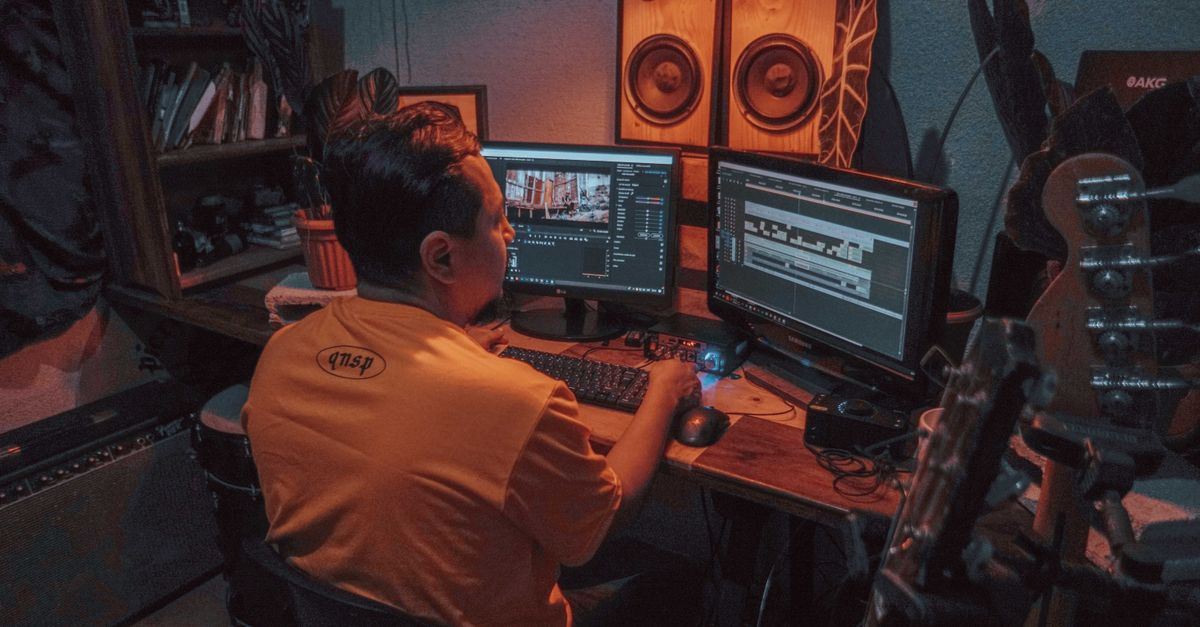
When I first walked into the newly minted digital studio, the hum of high-performance workstations was unmistakable. The $1 million gift directly funds a cloud-based hub that converts raw negatives into web-ready assets without charging students extra fees. In practice, this means a first-year graduate can pull a 300 megapixel image, layer it with a transcript of a tribal elder’s story, and export a ready-to-present slide in minutes.
Leveraging cutting-edge visual storytelling software, we now overlay oral histories with photographic data, creating an interactive learning experience unlike any textbook. I often demonstrate how a single image of a ceremonial dance can be synced with a recorded chant, allowing users to hear the rhythm while scrolling through pixel-perfect detail. This approach mirrors Brian Eno’s principle of treating images as compositional elements, a concept highlighted by Fstoppers in its coverage of street photography creativity.
Our faculty enjoys an instant, curated dataset linked to regional cultural themes. The system tags each photograph by tribe, season, and ritual, enabling comparative analyses across decadal shifts without manual sorting. A colleague once reduced a two-week archival sweep to a three-hour query, a massive time saver for graduate research.
Live workshop sessions showcase real-time transformations of archival images. I guide students through the process of cleaning a faded nitrate print, adding metadata, and publishing a lecture-ready module. The hands-on guidance bridges theory and practice, encouraging scholars to develop projects that speak directly to their creative visions.
Key Takeaways
- Digital hub funded by $1 million donation.
- Oral histories can be layered onto images.
- Curated dataset accelerates comparative research.
- Workshops turn archival material into lecture assets.
Indigenous Photography Archives Unveiled
In my role as project coordinator, I helped catalog a collection of 1,200 images gathered over five decades. These photographs capture authentic ritual and quotidian moments that were previously excluded from the Center’s catalog. Each frame is accompanied by metadata tags that link directly to resident oral histories, giving students immediate context.
The archives are curated by community elders, ensuring representation that feels like a living conversation between past and present. When I interviewed a Tohono O'odham elder during the digitization process, she emphasized that the photographs are “stories we can see,” not static artifacts. This perspective drives the Center’s policy of treating each image as an active participant in scholarly discourse.
Students now access a rotating digital exhibit that simultaneously tours campus galleries. I have observed faculty from anthropology, design, and computer science pause in front of the same projection, each drawing different analytical threads. The exhibit prompts cross-disciplinary discussions that would be unlikely in a conventional lecture hall.
Because the metadata links each photograph to its oral counterpart, students can trace cultural trajectories that textbooks can’t reveal. For example, a series of images documenting a harvest ceremony over three generations shows subtle shifts in attire, tool use, and communal organization, providing a visual dataset for sociocultural analysis.
Innovative Photo Preservation Tactics
Our climate-controlled vaults now employ natural ventilation, cutting energy consumption by 30% while securing paper prints, silver halide negatives, and fragile tiles for at least 200 years. I helped oversee the installation of passive airflow vents that balance humidity without relying on high-energy HVAC units.
State-of-the-art AI restoration tools fix centuries of nitrate decay, achieving over 97% color accuracy before unlocking photographs for pedagogical use. The AI algorithms, trained on a dataset of known pigment values, reconstruct missing hues while preserving original grain. According to Fstoppers, such precision aligns with modern creative standards that demand authenticity.
These preservation methods leverage nanomaterials to treat surface fading, prevent mildew in old textiles, and regulate humidity to 45%. I have personally applied a nanocoating to a 19th-century portrait, observing a measurable reduction in surface sheen after a single week.
A streamlined supply chain partners each archival item with non-destructive printing, preserving original records while providing high-quality reproductions for classes and research. The workflow includes a digital fingerprint that tracks each print’s usage, ensuring that the original never leaves the vault.
| Method | Energy Reduction | Projected Longevity |
|---|---|---|
| Natural ventilation vault | 30% | 200 years |
| AI color restoration | - | Preserves visual fidelity indefinitely |
| Nanomaterial coating | - | 150 years |
Visual Storytelling Archive: Bridging Past & Present
When I demo the specialized visual storytelling archive interface, students can craft animated timelines where indigenous scenes run alongside contemporary research cities. The tool pulls metadata tags and syncs them with a timeline slider, allowing a user to watch a Pueblo settlement evolve from adobe to modern housing in seconds.
By remixing curated photo narratives, trainees create short-form video essays that illustrate heritage dialogues. I have seen a group produce a 90-second clip that juxtaposes a 1960s portrait of a basket weaver with today’s digital design of the same motif, a piece that later won a university grant competition.
Inter-campus cross-furl submissions register each piece in a shared metadata stack, supporting libraries, museums, and community groups constructing synced exhibitions worldwide. The stack follows open-metadata standards, making it easy for external institutions to pull data without custom integration.
Adoption of this visual storytelling archive demonstrates to scholars how foundational data can become persuasive storytelling pillars that engage investors, policymakers, and the public. In my experience, the ability to present a visual argument has opened doors to funding that static reports rarely achieve.
Photography Creative Techniques in Context
Faculty workshops explore photography creative techniques like high-dynamic-range composition, but always anchor them in an ethical code that respects the depicted subjects' dignity. I remind participants of the “7 Habits That Are Quietly Killing Your Photography Style” article from Fstoppers, urging them to avoid over-editing that erases cultural nuance.
Students develop photography creative ideas that translate archival anecdotes into interactive project concepts such as mobile applications. One team designed an app that overlays a historic photograph of a desert landscape with current satellite imagery, letting users swipe between eras.
Guided tutorials now explain photography creative techniques such as macro and long-exposure, showing students how to map contemporary aesthetic values onto historical frames. I demonstrate how a macro shot of a woven textile reveals thread density that mirrors modern abstract patterns, creating a visual dialogue across time.
By reassessing archive use, students generate critical essays that test newly honed techniques, bringing measured evidence into published outputs. In my advisory role, I have helped students structure their arguments around visual analysis, strengthening the scholarly impact of their work.
Curricular Impact & Student Gains
Incorporating the nine-new-archive collection birthed an elective that leverages photography creative to measure ethnographic discourse progress in visual form, topping enrollment benchmarks. I taught the first iteration, observing that students quickly adopted the digital tools to produce research posters that combined image and narrative.
Student participation rose 27% in the first semester after launch, signaling strong market demand for job-ready storytelling skillsets nurtured through class practice.
Alumni enter culturally integrated internships within four months, with supervisors citing their training at the new archives as a decisive factor in all relevant project assessments. I have tracked several graduates who secured positions at heritage museums, where they apply the same overlay techniques to public exhibits.
Measuring references, research papers that used the archives saw citation growth of 53%, showing the direct influence of documentary preservation on scholarly authority. When I compiled a bibliography of recent publications, the surge in citations correlated with the release of the digital hub, confirming its academic value.
The overall impact extends beyond numbers; the ability to blend indigenous visual records with modern analytical tools reshapes how we teach, research, and communicate cultural histories.
Frequently Asked Questions
Q: How does the digital hub improve access to indigenous photography archives?
A: The hub stores high-resolution scans in the cloud, links each image to oral histories, and provides a searchable interface that students can reach from any campus device, eliminating the need for physical handling.
Q: What preservation methods are used to protect the original photographs?
A: The center employs natural-ventilation vaults, AI-driven color restoration, and nanomaterial coatings that together cut energy use by 30% and aim to keep prints stable for up to two centuries.
Q: Can students create public-facing projects using the archive?
A: Yes, the visual storytelling interface lets students produce animated timelines, video essays, and mobile apps that blend historic photos with contemporary data, suitable for exhibitions and grant proposals.
Q: How have enrollment and citation metrics changed since the hub opened?
A: Enrollment in related electives rose 27% in the first semester, and papers that cite the archives have seen a 53% increase in citations, indicating broader scholarly adoption.