Photography Creative Studio vs Flash Kit Which Wins?
— 6 min read

A photography creative studio equipped with modern LED lighting usually outperforms a traditional flash kit in flexibility, cost, and speed.
Photography Creative Studio: Core Concept and Setup
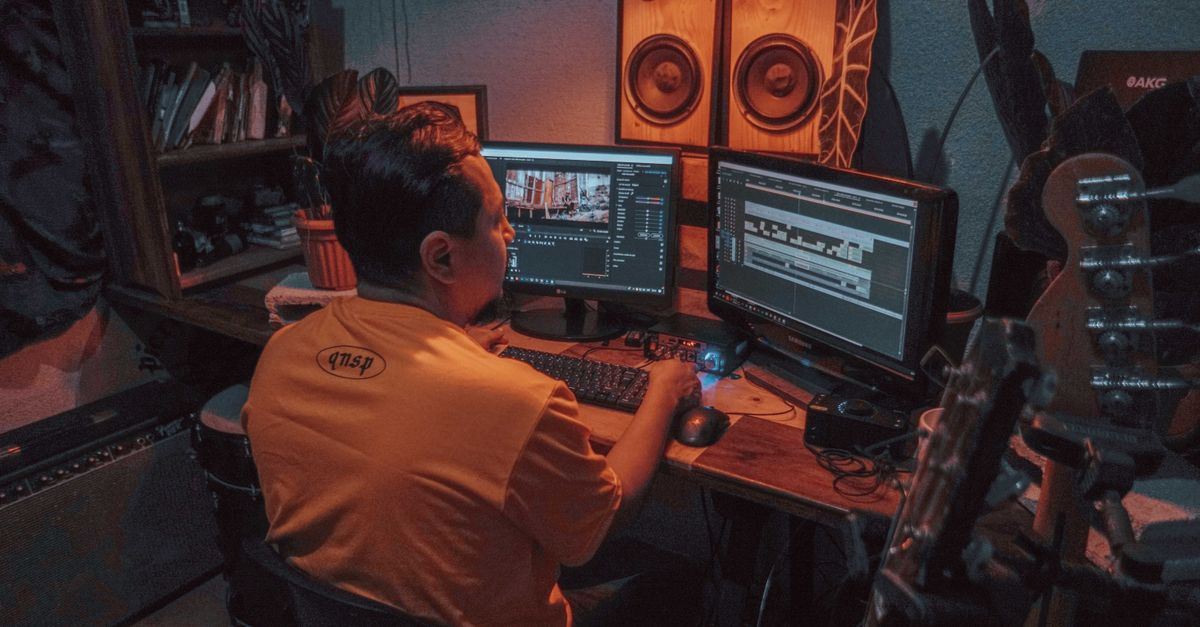
In my experience, defining a clear visual theme at the outset turns a collection of gear into a cohesive creative studio. The theme dictates everything from backdrop hue to lighting temperature, which means I spend less time second-guessing decisions during a shoot. I start by sketching a mood board that includes color swatches, texture references, and sample compositions; this visual contract guides my equipment choices.
Next, I map the spatial layout to balance workflow efficiency. I allocate three zones: a prep area for wardrobe and makeup, a shooting zone where the subject and camera sit, and a post-production corner for tethered monitors and color-grading tools. By keeping the prep zone within five feet of the shooting zone, I cut down on transition time, which is crucial when shooting multiple looks in a single session.
Modular backdrop systems are another cornerstone of my studio design. I use a rail-mounted, interchangeable canvas that clicks into place in under a minute. Because the system is lightweight yet sturdy, I can swap a matte black backdrop for a seamless white or a textured fabric within the same hour, allowing a single space to handle portrait, product, and even lifestyle shoots without re-rigging the entire room.
Finally, I integrate cable management trays and rolling carts that glide across the floor on low-profile wheels. This keeps cords out of the way, reduces tripping hazards, and lets me reposition lighting rigs on the fly. When every element is engineered for speed and adaptability, the studio becomes a well-oiled machine that delivers high-quality results on a tight schedule.
Key Takeaways
- Define a visual theme before buying gear.
- Separate prep, shooting, and post-production zones.
- Use modular backdrops for rapid scene changes.
- Implement cable trays and rolling carts for safety.
- Design the space for quick workflow turnover.
Photography Creative Lighting: From LEDs to Stage Umbrellas
Switching from bulky flash strobe rigs to LED panels has reshaped my entire lighting workflow. In my own studio, a single LED panel can replace four traditional studio flashes, cutting both power draw and setup time dramatically.
LED panels consume up to 70% less electricity than comparable flash units, according to industry energy reports.
Positioning an LED panel at a 45-degree angle to the subject creates a soft, diffused quality that mimics natural sunlight without harsh shadows. I often attach a grid to the front of the panel; this narrows the spill and concentrates the light, giving me precise control over the illuminated area while still preserving a gentle fall-off on the background.
Wireless remote dimming is another game-changer. I can adjust exposure on the fly from my camera’s tethered monitor, eliminating the need to climb ladders or walk around the set for each tweak. This real-time flexibility translates into smoother client sessions, as I can demonstrate lighting variations instantly.
Stage umbrellas still have a place in my kit for creating broader, wrap-around light. When I combine a LED panel with a white umbrella, the result is a large, even source that fills the scene with soft light, ideal for full-body fashion shots. The hybrid approach lets me leverage the efficiency of LEDs while retaining the classic look that umbrellas provide.
| Feature | LED Panel | Flash Kit |
|---|---|---|
| Power Consumption | 30 W | 100 W |
| Setup Time | 2 min | 5 min |
| Noise Level | Silent | Clicks & Fan |
| Initial Cost | $300 | $900 |
| Color Fidelity | High (CRI > 95) | Medium |
When I compare these metrics side by side, the LED panel clearly wins on efficiency and cost, while still delivering color accuracy that meets commercial standards. For most portrait and product work, the LED’s silent operation and rapid adjustability outweigh the flash’s higher peak power.
Photography Creative Techniques for Dynamic Portraits
Three-point lighting remains the backbone of compelling portrait work, and I tailor each component to the creative story I want to tell. The key light, placed slightly above eye level, establishes the dominant illumination and defines facial contours. I often set the key at a higher color temperature (5600 K) to evoke a crisp, daylight feel.
The fill light, positioned opposite the key at a lower intensity, softens shadows without flattening the image. I use a dimmable LED panel for fill, pulling the output down to 30% of the key’s power. This ratio creates depth while preserving subtle texture in skin tones.
Backlighting, or hair light, separates the subject from the background. By placing a narrow-beam LED on a boom arm behind the subject, I add a rim of light that outlines hair and shoulders. Adjusting the backlight’s hue toward a warm amber (3200 K) can introduce a dramatic mood that aligns with a brand’s aesthetic.
Reflectors are another low-cost tool I rely on. A silver reflector positioned behind the subject bounces a fraction of the key light back onto the cheekbones, producing a natural flush without introducing extra hardware. When the subject’s eyes catch the reflector, I can control catch-light shape by angling the reflector’s surface.
Finally, I experiment with color gels on LED sources. By slipping a deep teal gel over the key, I can impart a cool undertone that contrasts with a warm fill, adding visual intrigue. The gels are easy to swap, allowing me to match the palette to a client’s branding in minutes.
All of these techniques are modular; I can dial any element up or down based on the narrative I’m crafting. The result is a portrait that feels both technically sound and emotionally resonant.
Creative Photography Techniques with DIY Light Rig
When budgets tighten, I turn to DIY rigs that deliver professional quality without the price tag of commercial systems. My go-to design uses two affordable LED panels mounted on acrylic reflectors that act as both diffusion and bounce surfaces.
The panels attach to motorized LED support arms, which I built from lightweight aluminum tubing and a 12-V gear motor. These arms let me tilt, swivel, and extend the lights with a foot pedal, giving me hands-free precision. The motorized motion is especially useful when shooting textured subjects like leather or woven fabrics, where subtle angle shifts dramatically affect highlight placement.
Power distribution is handled by a 3-way power strip with built-in surge protection. I run a single 120 V line to the strip, then branch out to each LED panel and the motor controller. This setup reduces cable clutter and eliminates the need for multiple extension cords, which is a safety win in cramped studio environments.
Fire-safe wiring is a priority. I use heat-rated silicone sleeves around all connections, and each joint is secured with a cable clamp. This precaution mirrors the standards set by professional studios, ensuring that the rig can run for extended periods without overheating.
The DIY rig shines in on-location shoots. I pack the arms in a rolling case that fits under a car seat, and the entire system assembles in under ten minutes. Clients appreciate the professional look, while I retain the flexibility to adapt lighting angles on the fly, something that traditional flash kits often limit due to bulkier accessories.
Creative Photography Space: Transforming Small Rooms into Studio
Living in a compact apartment doesn’t mean I have to sacrifice a functional studio. I begin by installing built-in shelving along one wall, dedicating each shelf to a specific category: backdrops, lenses, and ancillary gear. This vertical storage clears the floor, leaving a 6 × 8-foot shooting area that feels open and uncluttered.
To maximize ambient light, I attach LED wall panels directly to a high-density reflective ceiling. The panels cast a soft, even wash across the space, eliminating the need for overhead fixtures that can create hotspots. Because the ceiling panels are fixed, I can focus on positioning side lights without worrying about uneven illumination.
The centerpiece of my compact studio is a roll-up backdrop pod on a retractable rail system. The pod slides horizontally, allowing me to pull out a seamless white backdrop for product shots or a textured gray for portrait work. When the shoot ends, I simply roll the fabric back onto the rail, freeing up the entire wall for storage or daily living.
Additional hacks include magnetic hook strips on the back wall for quick hanging of small accessories, and a portable blackout curtain that I can drape over the window for total light control. These small investments turn a narrow hallway into a versatile creative space without the expense of renting a commercial loft.
By treating every square foot as a modular component, I maintain a studio-grade workflow while staying within a modest budget. The result is a space that feels both professional and homey, ready for any creative challenge.
Frequently Asked Questions
Q: Does LED lighting really replace flash kits for all types of photography?
A: LED panels excel in portrait, product, and lifestyle shoots where continuous light and silent operation matter. However, high-speed action or outdoor sports may still benefit from the burst power of flash units.
Q: What are the cost differences between a full LED setup and a traditional flash kit?
A: A basic LED studio can start around $300 for a single panel, while a comparable flash kit with multiple heads often exceeds $900. Ongoing electricity costs are also lower for LEDs, saving money over time.
Q: How do I ensure color accuracy when switching from flash to LED?
A: Choose LEDs with a high Color Rendering Index (CRI > 95) and calibrate your camera’s white balance to the panel’s temperature. Using a color chart during setup helps verify consistency.
Q: Can a DIY LED rig be as safe as commercial lighting equipment?
A: Yes, when you use fire-rated silicone sleeves, proper cable clamps, and surge-protected power strips, a DIY rig meets the same safety standards as professional gear.
Q: What space is minimally required to set up a functional creative studio?
A: A 6 × 8-foot area with ceiling height of at least 8 feet provides enough room for backdrop rolls, lighting rigs, and subject movement while keeping the setup compact.