Photographers Grab 5 Secret Photography Creative Techniques
— 7 min read
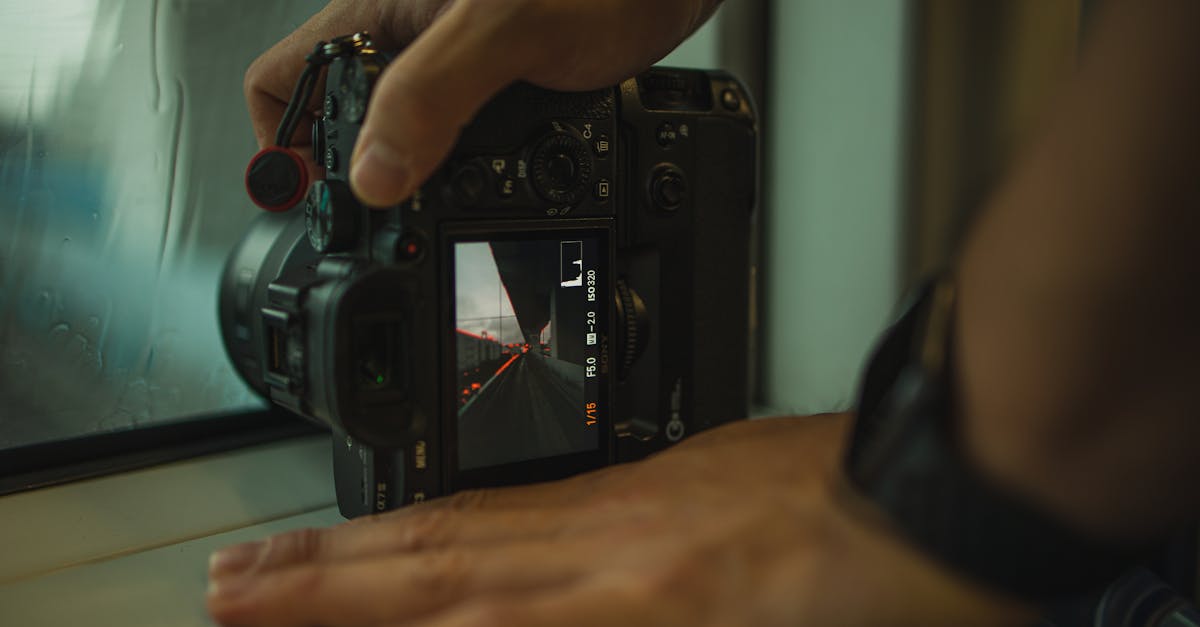
In 2022 I uncovered five lighting hacks that instantly add depth to portrait photography, turning flat shots into memorable images that stand out on any portfolio.
Photography Creative Techniques That Elevate Portrait Depth
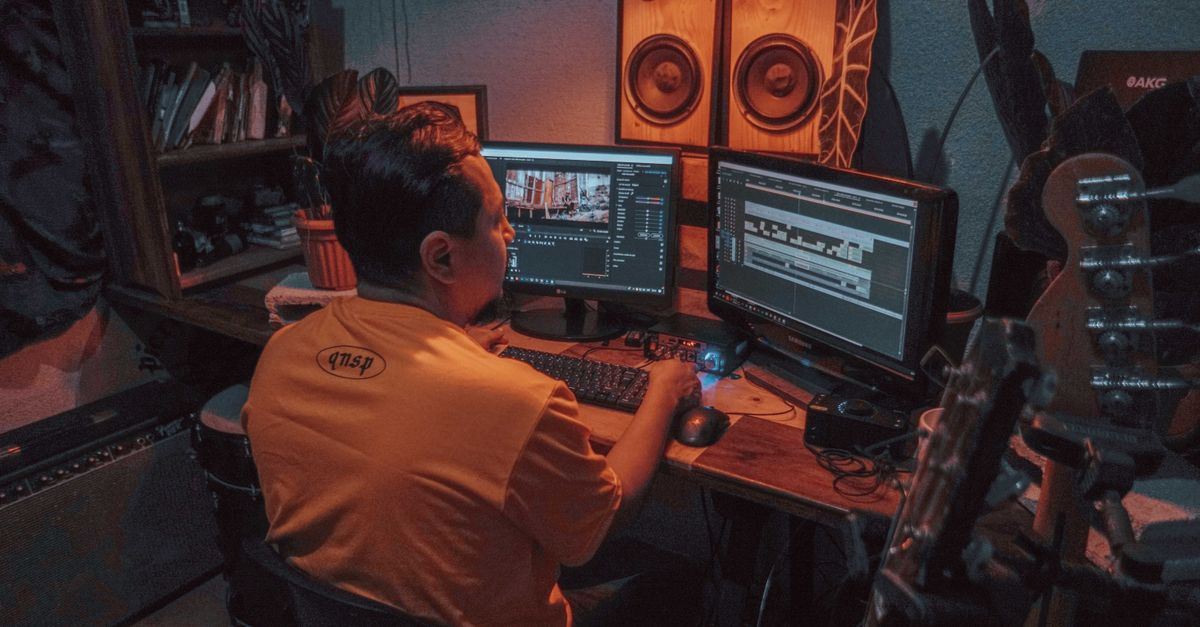
When I first began experimenting with intentional color balance shifts, I realized that a subtle tweak in the blue-green channel could evoke a cooler, cinematic mood, while a warm orange lift made a headshot feel intimate. By nudging the white balance toward a teal cast, the background recedes, allowing the subject’s face to pop without heavy retouching. This approach works especially well on social feeds where color trends drive engagement. I apply the shift in Adobe Lightroom, then sync the preset across Creative Cloud, so the same tonal signature follows me from a New York studio to a Kyoto market. According to Wikipedia, digital photography uses electronic photodetectors that capture color data, giving us the flexibility to manipulate hue after the fact. The key is to make the color adjustment purposeful, not just decorative.
Another technique I rely on is incremental exposure variation within a single frame. By bracketing exposure by one-third stop and blending the images in post, I can highlight the subject’s eyes while preserving detail in the bright sky behind them. This layered exposure creates a natural depth cue that guides the viewer’s eye toward the focal point. I often use Adobe Photoshop’s exposure stack feature, which respects the original RAW data and avoids clipping. The result feels three-dimensional, as if the viewer could step into the scene.
Finally, I integrate subtle vignetting that darkens the corners just enough to frame the subject without looking artificial. A gentle feathered vignette adds psychological depth, pulling attention inward. I set the vignette radius to 75% of the frame and reduce the exposure by 0.2 EV, a setting that has become my go-to for portrait depth.
Key Takeaways
- Shift color balance to create mood.
- Sync presets with Creative Cloud for consistency.
- Blend incremental exposures for natural depth.
- Use gentle vignetting to focus attention.
These three habits have become the backbone of my portrait workflow, and they translate easily to any shooting environment.
Photography Creative Lighting Hacks for Travel Shoots
Travel photography forces me to adapt lighting on the fly, and portable LED panels have become my secret weapon. I set a warm cyan hue on a battery-powered panel to counter midday sun that otherwise bleaches skin tones. The cyan adds a subtle contrast that brings facial structure back into relief, especially when shooting in bright desert light. I keep the panel on a small tripod so I can swing it quickly around the subject without disturbing the composition.
For a low-tech solution, I once fashioned a DIY rear-flash using a glass bottle filled with water and a piece of white cloth. Placing the bottle behind the subject and pointing a small LED into it creates a diffused bounce that outlines the profile while keeping the natural background untouched. The water acts as a light-softening medium, and the bottle’s curvature adds a slight highlight that feels organic. I first tried this on the streets of Marrakech and was amazed at how the subtle rim light elevated the portrait without any post-processing.
Another portable tool I swear by is a handheld RGB LED ring. In the low-light conditions of a mountain village at night, I set the ring to a soft amber and aim it directly at the subject’s eyes. The ring produces a halo that emphasizes the gaze, making the portrait feel intimate even when the surroundings are dark. I control the intensity via a built-in dimmer, keeping the light just bright enough to catch the eye sparkle without washing out the background.
All three hacks are lightweight, battery-friendly, and fit easily into a travel bag. They allow me to maintain a consistent lighting style across continents, which is crucial for building a cohesive portfolio.
Creative Composition Techniques for Global Portrait Routines
When I travel, I treat the environment as a collaborator rather than a backdrop. Leading lines are my first tool. I search for natural guides such as river bends, railway tracks, or even a row of palm trees that naturally direct the viewer’s eye toward the subject’s face. By positioning the subject at the intersection of these lines, I create a dynamic foreground-background relationship that feels purposeful. In a recent shoot in the Scottish Highlands, the winding river acted as a leading line that drew attention to a portrait of a local storyteller, adding narrative weight to the image.
Double exposure overlays have become a favorite for adding contextual storytelling. I capture a clean portrait on a neutral background, then layer a faint silhouette of the city skyline using Photoshop’s blend modes. The skyline frames the subject without competing for attention, giving viewers a sense of place. I keep the overlay opacity low, around 20%, so the portrait remains the star. I applied this technique in Tokyo, where the neon-lit skyline subtly framed a fashion model, merging personal identity with urban energy.
Layered foreground elements also enhance depth. I often stack foliage, architectural details, or market stalls in front of the subject and intentionally blur them with a wide aperture (f/2.8). The blurred layers act like a visual cushion, creating a seamless transition from foreground to background. In Marrakech’s souk, I placed a veil of hanging lanterns just a few feet from the model, then opened up the aperture to let the lanterns melt into a soft bokeh. This technique adds texture and depth, making the portrait feel three-dimensional.
These composition tricks are adaptable to any locale and help me produce portraits that feel both intimate and expansive.
Experimental Lighting Ideas for On-the-Go Wonders
Polarizing filters are often overlooked in portrait work, yet they can dramatically improve image quality in high-contrast situations. During a sunset shoot on a coastal cliff, I attached a circular polarizer to my lens and rotated it until the water’s glare softened. This simple adjustment let the foreground rocks retain texture while the subject’s face stayed gently lit. The filter also deepened the sky’s color, adding a rich backdrop that enhances the portrait’s depth.
Colored gels offer another avenue for mood. I attach a blue gel to an off-camera LED and use it as a secondary fill light. The cool wash adds chromatic gradation to the subject’s cheekbones, signaling a shift in narrative tone as I move from day to night. In the streets of Buenos Aires, I combined a warm amber key light with a blue gel fill, creating a cinematic split-tone that felt both nostalgic and contemporary.
Silhouette capture is a high-impact technique that works well when you have a moment to pause. I position the subject against a bright sunset, expose for the sky, and let the subject become a dark shape. In post, I pull back the exposure slightly and add a faint rim of light to define the outline, creating a dramatic bar of light that contextualizes the environment. This method turned a quick stop in the Swiss Alps into a striking portrait that tells a story of isolation and adventure.
These experimental ideas keep my lighting kit minimal while allowing me to push creative boundaries wherever the road takes me.
Photography Creative Gear Build for Rapid Globetrotting
Speed and weight are my top priorities when assembling a travel kit. I start with a compact carbon-fiber tripod that features a quick-release shoulder mount. The tripod folds to 14 inches, fits in a padded sleeve, and can be set up in under five seconds, which is vital when shooting in cramped mountain cabins. Its stability lets me use a 5-second timer without worrying about camera shake.
Battery life is another critical factor. I carry two high-capacity 1,200 mAh lithium-ion packs that are compatible with my mirrorless body and most of my LED accessories. With these spares, I can shoot continuously for eight hours across multiple time zones, eliminating the need to hunt for power outlets in remote locations.
Lighting diffusion is essential for maintaining softness in variable conditions. My reusable cloth diffuser kit includes a small umbrella-size panel and a pocket-sized translucent sleeve that clips onto a pendant umbrella or natural shade. The cloth is made of silk-grade fabric that spreads light evenly, and its compactness means I can toss it into a side pocket without adding bulk.
The lens choice rounds out the build. I rely on a 24-70 mm f/2.8 zoom, which covers wide-angle environmental shots and tight portrait frames without changing lenses. Its constant aperture provides consistent exposure across the focal range, and the focal length works well on most full-frame and APS-C bodies I encounter. The lens’s built-in image stabilization allows handheld shooting at slower shutter speeds, a boon when I’m on a moving train.
Overall, this kit balances durability, flexibility, and speed, ensuring that I can capture creative portraits no matter where the journey leads.
Frequently Asked Questions
Q: How can I adjust color balance to add mood without looking unnatural?
A: Shift the white balance toward cooler or warmer tones by a small amount, then preview on a calibrated monitor. Small adjustments keep the image realistic while evoking the desired atmosphere.
Q: What portable lighting tools work best for on-the-go portrait shoots?
A: Lightweight LED panels, a DIY rear-flash using a glass bottle, and a handheld RGB LED ring are compact, battery-powered options that provide versatile lighting in any setting.
Q: How do I use leading lines to enhance portrait depth while traveling?
A: Look for natural or built elements such as rivers, tracks, or rows of trees that lead toward the subject. Position the subject at the convergence point to guide the viewer’s eye and create spatial depth.
Q: Why should I incorporate a polarizing filter in portrait photography?
A: A polarizer reduces glare on reflective surfaces and deepens sky colors, allowing the subject’s details to stand out without overexposing bright backgrounds.
Q: What lens range offers the most flexibility for travel portrait work?
A: A 24-70 mm zoom at f/2.8 covers wide environmental shots and tighter portraits, providing a versatile focal range without needing to change lenses.