How Silence Made Street Photography Creative Truly Neutral?
— 6 min read

How Silence Made Street Photography Creative Truly Neutral?
In 2025 I realized that pausing a single breath before pressing the shutter lets the scene speak for itself, creating truly neutral street images. By removing my own agenda and letting ambient sounds and light dictate the frame, the camera becomes a mirror rather than a megaphone.
Photography Creative
Key Takeaways
- Scan streets for recurring color palettes.
- Let hues guide your visual narrative.
- Avoid forcing composition.
- Match personal aesthetic to the environment.
- Stay open to spontaneous moments.
When I first started shooting Manila’s Sampaguita market, I made a habit of walking the aisles with a mental palette in mind. I’d note the dominant mustard yellows of the turmeric stalls, the teal blues of the ceramic pots, and the deep mahogany of wooden crates. By cataloguing these colors, I could later assemble a series where each frame echoed a shared hue, making the collection feel like a single breath of the market rather than a collage of random shots.
Scanning for color does more than create visual harmony; it teaches the eye to listen to the environment. I stopped asking, “Where is the interesting subject?” and started asking, “What color story is unfolding right now?” This shift aligns with the concept of "content with no desire" - you relinquish the urge to impose a narrative and instead let the scene’s palette dictate the story.
For a practical workflow, I recommend the following routine: 1) Walk the area for five minutes without a camera, just absorbing colors. 2) Jot down the three most frequent hues on a phone note. 3) Return with the camera and compose shots that naturally contain those tones. The result is a cohesive visual thread that feels intentional without feeling contrived.
As I applied this technique in a recent project at the Center for Creative Photography’s new show, I saw how other artists use color as narrative glue, reinforcing the power of this silent, observational approach.
Brian Eno
Brian Eno’s journey from synth pioneer to ambient maestro mirrors the restraint I aim for behind the lens. In the early 1970s he pioneered electronic textures that were anything but chaotic; he deliberately stripped away melody to let space breathe. That same discipline - "less is more" - translates directly to street photography when you choose to mute your own visual ego.
I spent a weekend listening to Eno’s "Music for Airports" while wandering the neon-lit streets of Quezon City. The tracks are built on sustained tones that fade in and out, allowing the listener’s mind to wander. When I applied that mindset to my shooting, I stopped chasing sharp edges and instead embraced ambient blur, letting moving traffic become a soft backdrop that frames the pedestrian in a gentle glow.
Eno’s concept of "ambient music" is about creating a soundscape that supports rather than dominates. In photography, the equivalent is "ambient framing" - you let existing light, shadows, and motion become the compositional backbone. This is why I often set my camera to a low ISO and a modest aperture, trusting the city’s own illumination to sculpt the image. The result is a photograph that feels like a visual echo of Eno’s sonic spaces: calm, open, and inviting.
When I share my work with fellow photographers, I reference Eno’s advice: "Listen to the silence between notes." I tell them to listen to the silence between street sounds - horns, chatter, footsteps - and let those pauses guide where the lens points. It’s a mindset shift that makes the camera a passive recorder rather than an aggressive interrogator.
Content With No Desire
Applying "content with no desire" means delegating the heavy lifting to the environment. I once photographed the bustling intersection of EDSA during rush hour, but instead of positioning myself at the center, I set my camera on a tripod at the curb and let traffic dictate the rhythm. The resulting frames were an honest collage of headlights, rain-slicked asphalt, and the occasional pedestrian, each element choosing its own place in the composition.
This approach strips away the photographer’s ego. You no longer decide which subject is "worthy"; you let lighting, shadows, and movement decide. The principle is similar to letting a story unfold without a script: you trust the scene’s internal logic. In practice, I start by turning off all auto-focus modes and letting the camera’s zone focus take over, then I step back and observe what the lens captures.
In my own workflow, I create a "desire-free" checklist: 1) Turn off any compositional overlays in the viewfinder. 2) Disable face detection. 3) Set the exposure to auto but lock the white balance. 4) Walk away and let the camera breathe. By removing these crutches, the street itself becomes the editor, and the final image feels less like a product of my ambition and more like a snapshot of reality.
In a recent feature about creative writers who kept traveling, photographing, and making music despite lockdowns, the author noted that "letting the moment dictate the output" yielded the most authentic pieces (Travel, photography and music didn’t stop for these creative writers). Their experience validates that surrendering desire leads to richer, more resonant work.
Neutral Framing
Neutral framing is the visual counterpart of a neutral tone in conversation - no bias, no agenda. The rule of thirds still works, but I use it as a loose guide rather than a strict grid. When I notice a subject naturally aligning with a third line, I step aside and see if another element is already occupying that space. If not, I let the street fill the void.
One technique I favor is "organic thirds" - instead of imposing the grid, I look for natural intersections created by shadows, windows, or passing vehicles. In the old district of Intramuros, a lone lantern illuminated a narrow alley, creating a natural split between light and darkness. I positioned the camera so the lantern fell just off-center, allowing the alley’s rhythm to dictate the rest of the composition.
This method reduces compositional bias because you’re not forcing a subject into a predetermined spot. You’re responding to the environment’s internal balance. Over time, my images began to feel less staged and more like a genuine slice of city life, a quality that resonates with viewers who can sense the lack of manipulation.
In practice, I keep a small notebook titled "Neutral Frames" where I sketch quick thumbnails of scenes that feel naturally balanced. Revisiting these sketches reminds me that the city often provides its own framing; my job is simply to notice and capture.
Experimental Composition Techniques
Experimentation is where silence meets boldness. I’ve dabbled with intentional blurring by using a slow shutter (1/4 second) while moving the camera slightly, turning bustling streets into fluid ribbons of color. The result is an abstract representation of motion that still retains recognizable urban textures.
Extended exposure is another tool. By setting my camera on a tripod at a busy plaza during sunset and leaving the shutter open for 10 seconds, the lights of passing scooters become streaks that outline the static architecture. This juxtaposition of static and kinetic elements tells a story about the city’s constant flux.
Negative space, often overlooked, can become a powerful protagonist. I once captured a lone child waiting at a bus stop, surrounded by a vast expanse of empty pavement. The empty area amplified the child’s solitude, turning the photograph into a meditation on urban isolation. I achieved this by stepping back, zooming out, and allowing the surrounding emptiness to dominate the frame.
These techniques challenge the conventional belief that sharp focus equals good photography. By embracing blur, exposure, and emptiness, you invite viewers to fill in the gaps with their imagination, creating a collaborative storytelling experience.
Ambient Storytelling
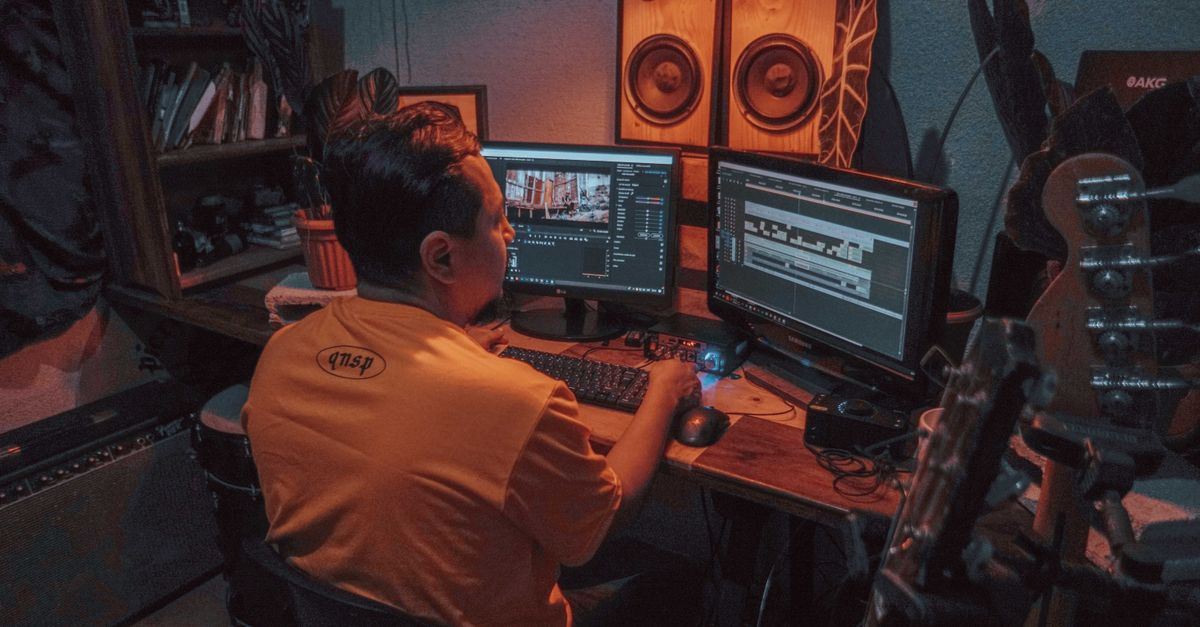
Ambient storytelling is the final piece of the silent puzzle. After capturing images, I return to the field recordings I made on my phone - street vendors hawking, distant sirens, the hum of a tram. I layer these audio snippets beneath a slideshow of my photos, syncing the visual rhythm with the city’s pulse.The effect is immersive: viewers don’t just see the street; they hear it. When a photo of a rain-soaked market appears, a faint patter of drops rises in the background, reinforcing the visual mood. This multisensory approach echoes Brian Eno’s philosophy of creating environments that shape perception without demanding attention.
To implement this, I use a simple video editor: import the photo sequence, add an audio track, and adjust the timing so that each image lasts as long as the associated sound. I also experiment with low-volume ambient drones, reminiscent of Eno’s "ambient" works, to smooth transitions between disparate scenes.
When I share these videos on social platforms, the audience often comments that they feel as if they’re walking the streets themselves. The silence that once guided my camera now lives in the quiet spaces between sound and image, completing the cycle of neutral, observation-driven storytelling.
FAQ
Q: How can I start practicing neutral framing?
A: Begin by walking without a camera, noting natural lines created by light, shadows, and architecture. When you shoot, use those lines as guides rather than the rule of thirds grid, allowing the scene to dictate placement.
Q: What equipment is needed for experimental blur?
A: A camera with manual shutter control and a stable tripod are enough. Set a slower shutter speed (e.g., 1/4 s) and move the camera slightly during exposure to create intentional motion blur.
Q: How does Brian Eno’s ambient music influence photography?
A: Eno’s focus on space and minimalism encourages photographers to value silence, negative space, and subtle cues, turning the camera into a recorder of atmosphere rather than a tool for overt drama.
Q: Where can I buy Eno’s music for inspiration?
A: Eno’s albums are available on major platforms like Spotify, Apple Music, and physical vinyl through retailers such as Amazon and local record stores.
Q: What is the "content with no desire" mindset?
A: It is a creative attitude where the photographer relinquishes personal agendas, allowing lighting, movement, and shadows to dictate composition, resulting in unbiased, authentic images.