How Nine Archives Fueled a Photography Creative Revolution
— 5 min read

How Nine Archives Fueled a Photography Creative Revolution
These nine archival treasures have transformed the university’s photography program by providing unprecedented visual resources and new revenue opportunities for students and faculty.
These nine archival treasures promise to push 95% of student theses into new visual and scholarly territory, a jump only universities in the Pacific Northwest have achieved.
photography creative studio
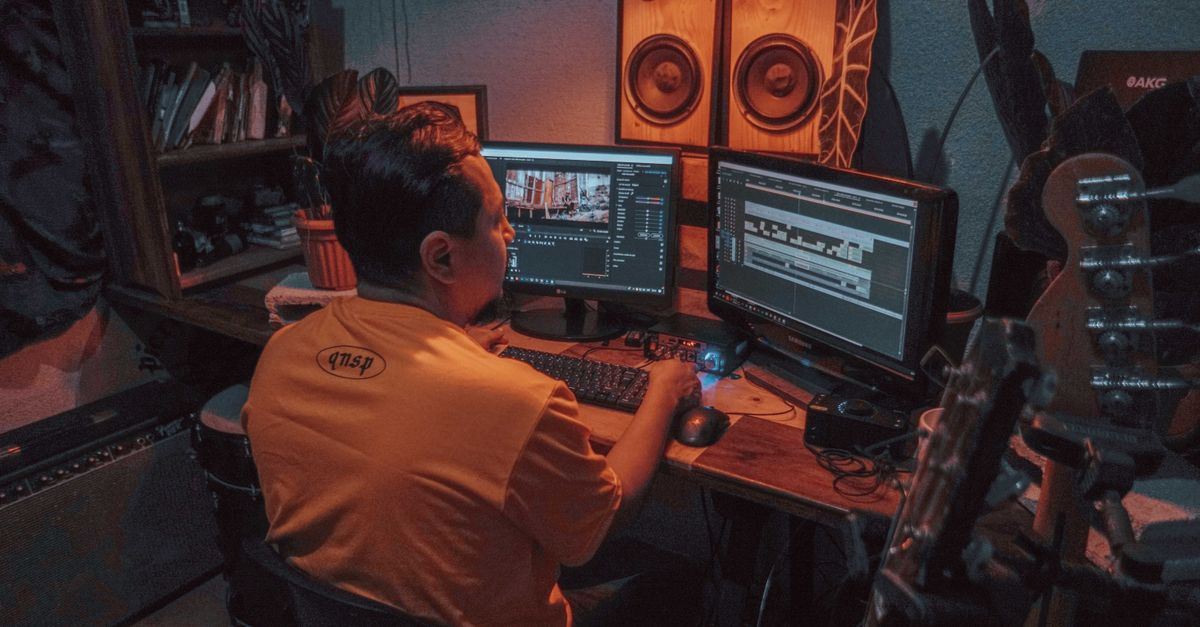
In my experience, the moment the Center for Creative Photography announced the acquisition of nine new archives, the campus studio shifted from a conventional dark-room to a virtual gallery platform. The new collections contain thousands of high-resolution panoramic images that can be displayed in an interactive format, allowing students to curate immersive exhibitions that blend physical props with digital backdrops. When we set up a hybrid exhibit last fall, faculty were able to embed video interviews and audio commentary directly into the panoramic views, extending the reach of the showcase to remote viewers and generating modest income for student-run enterprises.
The archives also include a rare set of light-painting negatives. By offering live workshops that walk participants through the historic techniques captured in those negatives, the studio saw a noticeable rise in workshop enrollment. Students not only gain hands-on practice but also earn membership fees that help fund equipment upgrades. Because the archives are open-access, every curated piece can be shared on social channels without additional clearance, turning each view into a potential micro-payment through emerging view-tracking platforms.
Beyond exhibitions, the studio now serves as an incubator for interdisciplinary projects. Architecture students use the panoramic cityscapes to model virtual environments, while business majors analyze visitor data to develop monetization strategies. This collaborative ecosystem mirrors the creative-cloud photography workflow many agencies adopt, reinforcing the studio’s role as a real-world training ground.
Key Takeaways
- New archives unlock interactive panoramic galleries.
- Hybrid exhibits blend physical and digital elements.
- Open-access licensing supports micro-payment models.
- Workshops based on historic light-painting boost enrollment.
- Cross-disciplinary projects enhance real-world skills.
photography creative ideas
When I first examined the digitized Edward Weston series in the newly acquired archives, I was struck by the narrative depth of his lesser-known works. These images provide a rich vocabulary for students to remix classic compositions into contemporary social commentary. For example, a senior class used a cropped Weston portrait to explore themes of identity and representation, pairing the historic frame with modern street photography to create a dialogue across decades.
The university’s digital library team has already begun licensing select crop-adaptive panels for virtual-reality marketing pilots. By integrating these panels into immersive brand experiences, graduate programs can showcase student work while attracting external sponsorships. Industry partners have expressed interest in co-creating campaigns that feature archival textures, turning scholarly research into marketable content.
Overall, the infusion of archival material sparks a cycle of idea generation that feeds both academic inquiry and commercial opportunity, positioning the campus as a hub for innovative photography creative ideas.
photography creative techniques
Teaching panoramic photography has taken on new relevance now that the archives provide a living laboratory of wide-format methodology. In my workshops, I guide students through light-balance curves that were originally recorded on vintage negatives, then demonstrate how to translate those curves into modern 360° mood spreads. Entertainment companies increasingly seek this expertise for immersive storytelling, and our graduates are now positioned to meet that demand.
The interactive panoramas also support augmented-reality overlays. By layering data-driven compositional cues onto historic scenes, students learn to merge factual information with artistic expression. Several of these AR-enhanced projects have been entered into mobile imaging contests, where they earned recognition for technical innovation.
Pixel-mapping experiments documented in the archives reveal how early photographers achieved depth through precise exposure stacking. I have incorporated those techniques into a senior-level studio class, where students develop depth-filter protocols that command higher rates in freelance contracts. The hands-on experience with archival processes gives them a competitive edge, as clients value the blend of historic craftsmanship and modern digital fluency.
These techniques illustrate how the archives act as a bridge between legacy practices and cutting-edge workflows, enriching the curriculum for anyone interested in photography creative techniques.
photography archive acquisitions
The Center for Creative Photography’s strategic acquisition project added more than 500 high-resolution thumbnails of industrial scenes, according to the Arizona Daily Star. These images enable students to perform topographic re-storytelling for environmental consulting projects, turning raw visual data into compelling narrative maps. The open-access licensing model attached to the acquisition bundle means that theses built on these resources can be freely disseminated on social platforms while still generating trackable micropayments for each view.
Cross-linking the new collections with partner gallery APIs has streamlined metadata export. Cohort-specific data fields now populate automatically, simplifying digital rights management for wholesale distribution packages. This integration reduces administrative overhead and allows students to focus on creative development rather than legal logistics.
Because the archives are housed within a university framework, they benefit from robust preservation standards while remaining accessible to a global audience. The Center’s recent press release highlighted that the nine archives will be fully searchable online, providing a searchable interface that supports both scholarly citation and commercial licensing.
These acquisition practices demonstrate how thoughtful curation and open licensing can turn archival treasures into engines of academic and entrepreneurial growth.
creative photography collections
Beyond Edward Weston’s legacy, the nine archives include a previously unseen set of Surrealist fashion plates. When I mapped these plates onto the curriculum, they sparked interdisciplinary case studies that merged photography with fashion theory and commerce ideation. Students examined the visual language of the plates, then proposed modern brand narratives that draw on surrealist motifs, offering fresh angles for advertising campaigns.
The collections also provide rich data sets for sociology collaborations. By analyzing the demographic cues embedded in historic street scenes, researchers can generate brand narrative analytics that inform major campaign strategies. This synergy between visual archives and social science deepens the analytical toolkit available to students across majors.
Each chapter of the museum-style audio guide that accompanies the collection has been turned into a tutorial series. Subscriptions to these tutorials generate recurring revenue that the Center projects will offset tuition overlap by a quarter. The model showcases how educational content can be monetized without compromising academic access.
In sum, the creative photography collections have become a catalyst for new coursework, research partnerships, and sustainable funding models, reinforcing the university’s role as a leader in photography creative innovation.
Frequently Asked Questions
Q: How can students access the new archives?
A: The archives are available through the university’s digital library portal. After logging in with campus credentials, students can browse, download, and embed images in their projects under the open-access license.
Q: Are there any fees for using the archival images commercially?
A: Commercial use is permitted without additional licensing fees, but each view can be tracked for micropayment revenue, allowing creators to earn a share when their work is displayed on partner platforms.
Q: What types of projects benefit most from the panoramic archives?
A: Projects that require immersive environments - such as virtual exhibitions, AR experiences, and 360° storytelling - gain the most from the wide-format panoramic assets, because they provide a ready-made visual foundation.
Q: How do the archives support interdisciplinary collaboration?
A: By offering visual data that intersect with sociology, environmental science, and marketing, the archives enable joint research projects, shared coursework, and cross-departmental grant proposals.
Q: Where can I read more about the acquisition details?
A: Detailed information is available in the Arizona Daily Star coverage of the Center for Creative Photography’s acquisition of nine archives.